Sexual dysfunction is a prevalent condition that affects approximately 30% of men at some point in their lives. This condition encompasses a range of issues, including erectile dysfunction, premature ejaculation, and low libido, among others.
Research indicates that male sexual dysfunction can have a profound impact on quality of life. It often leads to feelings of embarrassment, frustration, and decreased self-esteem, which can significantly affect personal relationships. The emotional strain caused by sexual dysfunction may lead to tension between partners, impacting communication and intimacy.
Addressing sexual dysfunction is crucial for improving overall well-being and fostering healthier interpersonal relationships. Seeking support and exploring treatment options can help men regain confidence and enhance their quality of life
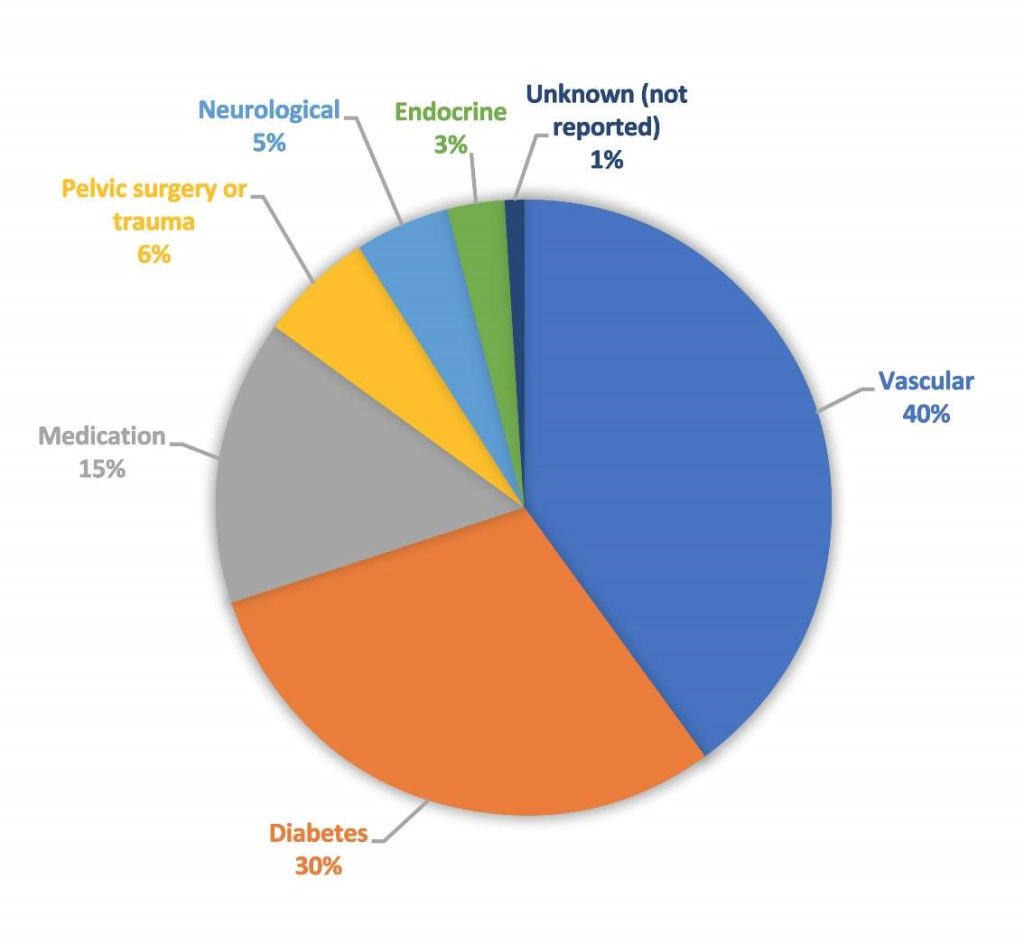
THE FOLLOWING CHART SUMMARISES THE MANY CAUSES OF MALE SEXUAL DYSFUNCTION
Male sexual dysfunction can arise from a variety of factors, which can be broadly categorized into physical, psychological, and lifestyle causes:
1. Physical Causes
Erectile dysfunction can be influenced by various physical causes. Cardiovascular issues, such as hypertension and atherosclerosis, can hinder blood flow to the penis, impacting erectile function. Diabetes is another contributing factor, as high blood sugar levels can damage nerves and blood vessels, resulting in difficulties with sexual function. Hormonal imbalances, particularly low testosterone levels, are known to reduce libido and disrupt sexual performance. Additionally, neurological disorders like Parkinson’s disease, multiple sclerosis, and stroke can interfere with the nerve signals involved in achieving erections. Chronic conditions, such as kidney and liver diseases, also play a role in sexual health by impairing bodily functions critical for sexual activity. Furthermore, certain medications, including antidepressants and antihypertensive drugs, may carry side effects that contribute to sexual dysfunction.
2.Psychological Causes
Psychological factors play a significant role in erectile dysfunction, impacting sexual health and satisfaction. Stress and anxiety are common contributors; when levels are high, they can interfere with the body’s natural response to arousal, making it difficult to achieve or maintain an erection and detracting from sexual enjoyment. Depression also greatly affects sexual health, often leading to a decrease in libido and diminished interest in intimacy due to feelings of sadness, fatigue, and low self-worth that can accompany this condition. Relationship issues, such as poor communication, lack of emotional connection, or unresolved conflicts with a partner, can strain intimacy and weaken sexual desire, as tension between partners can make it harder to connect on a physical level. Furthermore, performance anxiety—a fear or worry about being able to perform sexually—can lead to a cycle of dysfunction where these anxieties, often amplified by prior experiences, prevent satisfying sexual interactions. Together, these psychological factors can have a profound impact on sexual well-being, creating a barrier to physical intimacy and emotional closeness.
3. Lifestyle Factors
Lifestyle factors can significantly impact erectile function and overall sexual health. Substance abuse, including excessive alcohol, tobacco, and illicit drug use, is known to impair sexual performance by affecting blood flow and nerve function. Obesity is another key factor, as excess weight can lead to hormonal imbalances and vascular issues that hinder sexual performance. A sedentary lifestyle, with limited physical activity, may contribute to poor circulation and reduced libido, both of which are crucial for healthy sexual function. Additionally, a poor diet lacking essential nutrients can increase the risk of conditions like diabetes and heart disease, both of which are associated with sexual health problems. Together, these lifestyle choices can substantially influence sexual well-being.
4. Age-Related Factors
Age-related factors are closely tied to sexual dysfunction, as aging often brings hormonal changes and a higher likelihood of developing chronic health issues that can impact sexual health. Testosterone levels naturally decline with age, which can reduce libido and affect erectile function. Additionally, older men are more prone to conditions such as cardiovascular disease, diabetes, and hypertension—all of which can impede blood flow and nerve function essential for sexual performance. These physiological changes combined with age-related health risks contribute to a greater incidence of erectile dysfunction, making age a key factor in sexual well-being.
Use of Stem cells for treatment of Male Sexual Dysfunction
In total, approximately 70% of males with sexual dysfunction may potentially benefit from stem cell treatment. Stem cell therapy involves using the body’s own stem cells to repair and regenerate damaged tissues. This approach can enhance blood flow and restore nerve function, addressing the root causes of sexual dysfunction.
How It Works
Cell Harvesting: Stem cells are , derived from peripheral venous blood then processed and harvested in specialized media to increase their number
Processing and Injection: The cells are processed and injected into targeted areas of the penis.
Regeneration: Stem cells promote healing and improve erectile function by enhancing blood circulation and tissue repair.
Benefits of Stem cell
When used for the treatment of male sexual dysfunction, Stem cell produces:
Immediate larger penis size
Strengthens and straightens penis
Increase in sensation and pleasure
Increases circulation within the penis to promote a healthier penis
Use of body’s own fluids, therefore allergic reactions are unlikely
No Lumpiness
Minimal Pain
Better erections for up to 18 months
Frequently Asked Questions (FAQ) for Patients
Stem cells for Male Sexual Dysfunction FAQ
What is the procedure?
Stem cells are , derived from peripheral venous blood then processed and harvested in specialized media to increase their number and quality then are injected at affected areas through micro needling.
How long does the treatment take?
The full procedure takes approximately 45 minutes – 1 hour.
How many treatments do I need?
Generally, 3 treatments are needed initially. Treatments are performed one month apart.
How long do results last?
Results last up to 18 months.
Do I need to repeat the treatment?
Maintenance treatments may be performed every 6 months or yearly, after the initial group of treatments to boost and maintain results.
What kind of results can I expect from Stem cell injections to the genitalia?
Stem Cell injections can be used for:
• Immediate penis enlargement
• Strengthening and straightening of the penis
• Increase in sensation and pleasure
• Better erections for up to 18 months
When will I see results?
Maximum benefits are seen after 3 months, however some may see results immediately. Multiple treatments will be required to achieve desired results. Clinical results will vary from patient to patient.
Are there any contraindications?
Do not have this procedure if you have open lesions on the penis (ie. herpes, sores or infective lesions) or a current urinary tract infection. This treatment is also contraindicated in those with penile prosthesis or an indwelling urinary catheter. Do not have this treatment if you have an acute and chronic infection, cancer, abnormal platelet function (blood disorder), sickle cell disease, severe metabolic and systemic disorders or are taking certain medications (such as anticoagulants, corticosteroids within the last 2 weeks) or undergoing chemotherapy.
Are there any side-effects after the treatment?
No side-effects after the treatment.
How do I prepare for my treatment?
The use of aspirin, anti-inflammatories, platelet inhibitors, anti-coagulants, Vitamin E, gingko biloba and fish oil may contribute to increased bleeding. Do not take these for 7 days before your treatment. Always discuss with your prescribing doctor before ceasing aspirin, platelet inhibitors and anticoagulants.
Ensure you have adequate fluid intake on the day of your procedure.
What is the post-care?
Do not take the medications listed above for 4 days after.
Sexual activity may be resumed after 2-3 days.